CALPUFF View – Customizing Land Use Properties
A major step in any CALPUFF modeling study is to calculate geophysical properties of the modeling domain. The CALPUFF modeling system contains several preprocessors to perform these calculations.


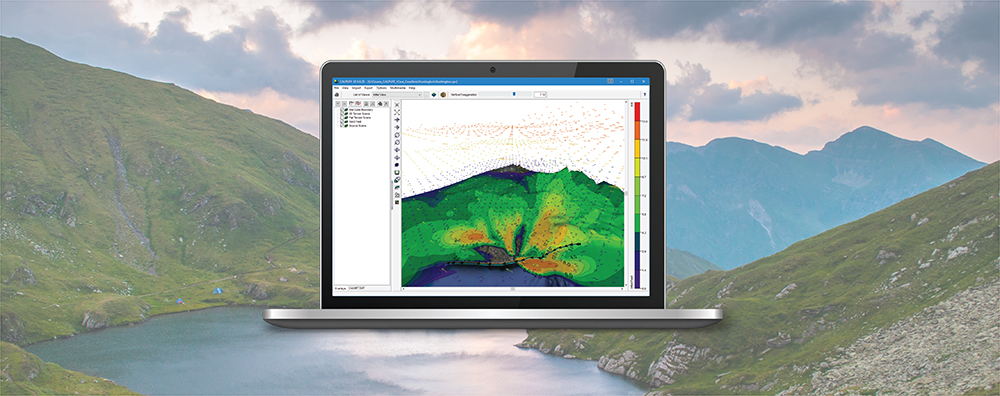
A major step in any CALPUFF modeling study is to calculate geophysical properties of the modeling domain. The CALPUFF modeling system contains several preprocessors to perform these calculations.
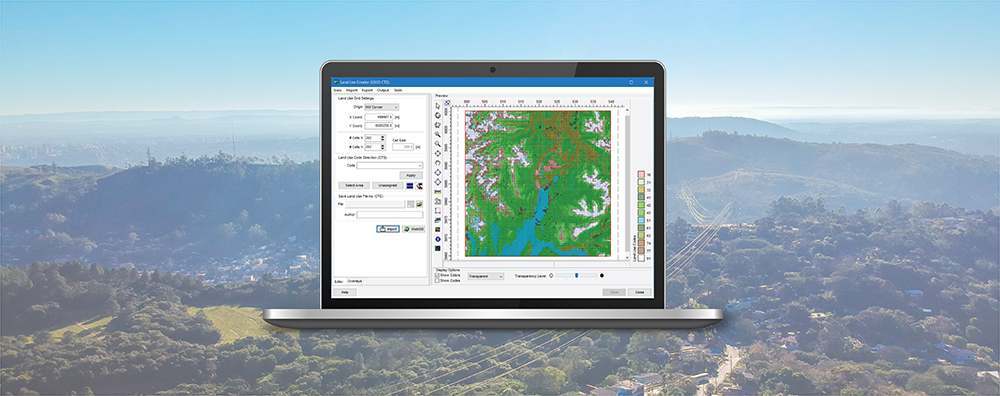
Land use data is vital to air quality modeling because the types of land cover encountered within the modeling domain play a big role in calculating atmospheric stability. Turbulence parameterization will be very different in a heavily populated urban area compared to a flat, grassy field or a large body of water. Digital land use data is available in a wide variety of formats, and the new CALPUFF View Version 9.0 now allows users to import land use data in shapefile format.
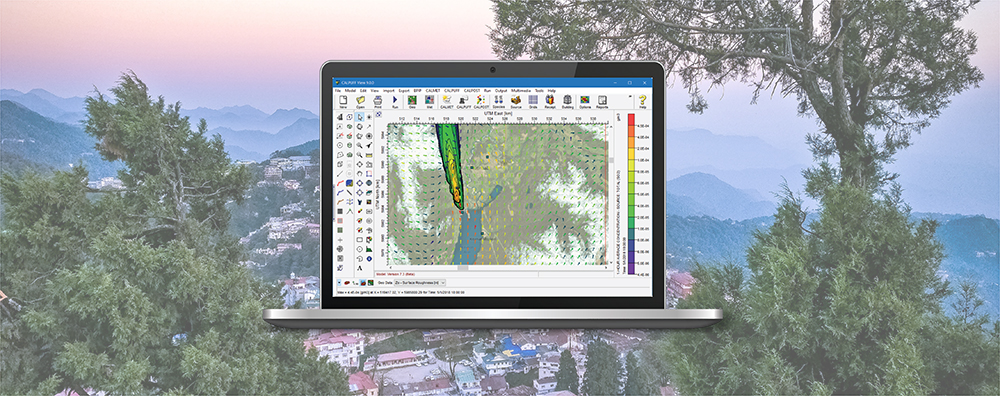
In past modeling tips, we have discussed how to estimate sub-hourly pollutant concentrations using AERMOD, a Gaussian plume dispersion model with an hourly minimum time step. Now we look at how a similar concept can be modeled using a different modeling system – CALPUFF.
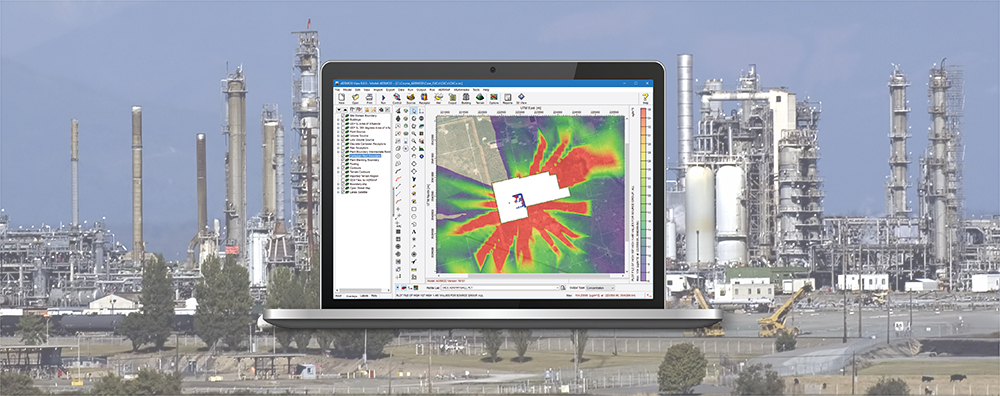
When viewing results from an air dispersion model run, the primary concern of many modelers are conditions measured at receptors located in areas generally accessible by the public. This may preclude modeling from occurring within well-defined property boundaries that restrict public access to a facility.
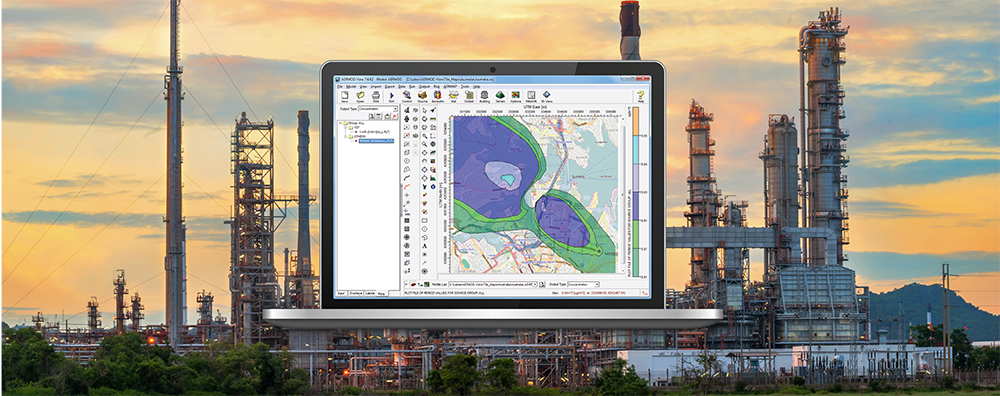
Most air dispersion modeling analyses will result in a large number of data files. Besides input and output files, projects can contain meteorological data, terrain data, digital base maps, and other external data files. Whether you’re modeling a simple scenario in AERMOD or a complex regional study in CALPUFF, there will be many different file types to account for.
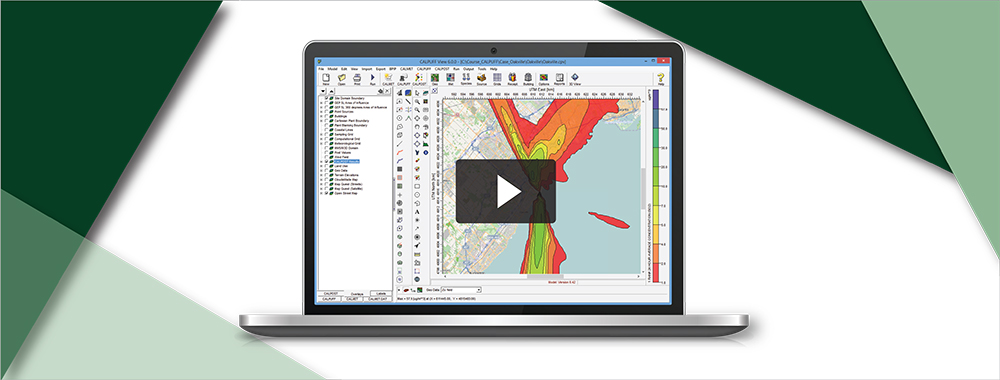
When using CALPUFF, modelers can add hourly background concentration or deposition flux values to the modeled results before averages are processed in CALPOST. Lakes Environmental added a Background Data File Maker utility to CALPUFF View to make this process even easier.